2026-03-04
What Are Ultra-Processed Foods and Why Are They Addictive?
Ultra-processed foods are engineered to be irresistible. Understanding what they are and how they affect your brain is key to breaking free.
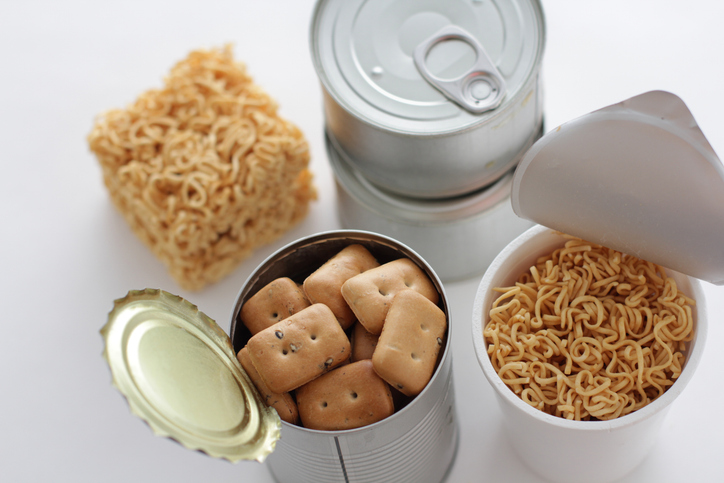
The term "ultra-processed food" has entered the mainstream conversation, but what does it actually mean, and why should we be concerned?
What are ultra-processed foods?
The NOVA food classification system, developed by Monteiro and colleagues (2019), categorises foods into four groups based on the extent and purpose of processing. Ultra-processed foods — Group 4 — are industrial formulations made mostly or entirely from substances derived from foods, with little if any intact food remaining.
They typically contain ingredients you would not find in a home kitchen: high-fructose corn syrup, hydrogenated oils, modified starches, flavour enhancers, emulsifiers, and artificial colours. Examples include soft drinks, packaged snacks, instant noodles, chicken nuggets, and most breakfast cereals.
Engineered to be irresistible
Ultra-processed foods are specifically designed to be hyper-palatable. Food scientists use combinations of sugar, fat, and salt — often at levels that do not occur in nature — to create what is sometimes called the "bliss point." This is the precise combination that maximises the pleasure response in the brain.
As Chris van Tulleken describes in his book Ultra-Processed People (2023), these products are not really food in the traditional sense. They are industrially produced edible substances designed to drive consumption.
The evidence
A landmark study by Hall and colleagues (2019) at the National Institutes of Health provided the clearest evidence yet. Participants were given either an ultra-processed or unprocessed diet for two weeks, with both diets matched for calories, sugar, fat, fibre, and macronutrients. Those on the ultra-processed diet ate an average of 500 extra calories per day and gained weight. Those on the unprocessed diet lost weight.
The participants were not told to eat more — they simply could not stop.
The addiction connection
In a significant 2023 paper, Gearhardt and DiFeliceantonio argued that ultra-processed foods meet the established scientific criteria for addictive substances. They trigger compulsive use, produce withdrawal-like effects, and cause continued consumption despite harm — the hallmarks of addiction.
This does not mean that every biscuit is the equivalent of a cigarette. But it does mean that for some people, certain ultra-processed foods can create patterns of consumption that are genuinely difficult to control through willpower alone.
What you can do
Becoming aware of ultra-processed foods in your diet is a powerful first step. Start reading ingredient lists — if a product contains ingredients you would not use in your own cooking, it is likely ultra-processed. Gradually shifting toward whole, minimally processed foods can help reset your palate and reduce cravings over time.
References
- Monteiro, C.A., Cannon, G., Levy, R.B., et al. (2019). Ultra-processed foods: what they are and how to identify them. Public Health Nutrition, 22(5), 936-941.
- Hall, K.D., et al. (2019). Ultra-processed diets cause excess calorie intake and weight gain: an inpatient randomized controlled trial of ad libitum food intake. Cell Metabolism, 30(1), 67-77.
- van Tulleken, C. (2023). Ultra-Processed People. Cornerstone Press.
- Gearhardt, A.N., & DiFeliceantonio, A.G. (2023). Highly processed foods can be considered addictive substances based on established scientific criteria. Addiction, 118(4), 589-598.