2026-03-06
The Role of Dopamine in Over Eating
Dopamine is the brain chemical that drives wanting and craving. Understanding how it works can help you understand why you eat the way you do.
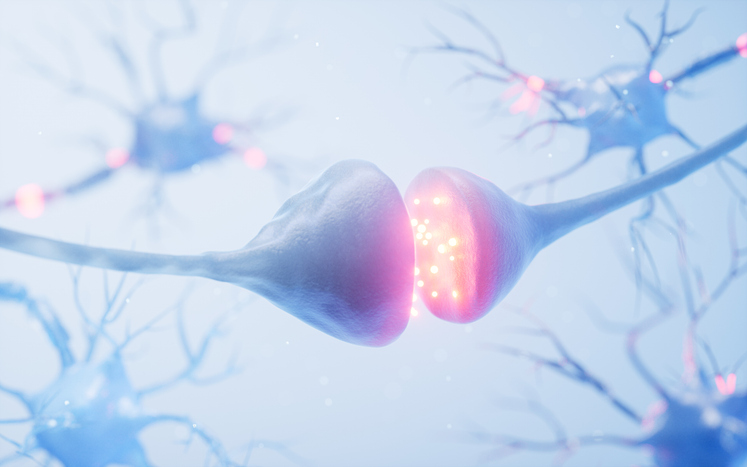
Dopamine is one of the most misunderstood chemicals in the brain. Often called the "pleasure chemical," its real role is far more nuanced — and understanding it can transform how you think about your relationship with food.
What dopamine actually does
Dopamine is primarily a chemical of motivation and anticipation. It does not so much create pleasure as it creates the drive to seek it out. When you smell food cooking or see an advert for your favourite snack, it is dopamine that creates that pull — the feeling of wanting.
Research by Small and colleagues (2003) has shown that dopamine is released not just when we eat pleasurable food, but in anticipation of it. This is why the thought of a particular food can feel so compelling.
Dopamine and addiction
The connection between dopamine and addiction is well established. Volkow and Wise (2005) demonstrated that the same dopamine pathways involved in drug addiction are activated by highly palatable food. The process is similar: repeated exposure to a rewarding substance causes the brain to downregulate its dopamine receptors, meaning more of the substance is needed to achieve the same effect.
This is tolerance — one of the hallmarks of addiction. It explains why a single biscuit used to feel satisfying but now you need the whole packet.
Less dopamine, more wanting
A landmark study by Wang and colleagues (2001) found that individuals with obesity had significantly fewer dopamine D2 receptors in the brain compared to lean individuals. This means their brains were less sensitive to reward from food — and from other sources of pleasure.
This creates a painful paradox: the people who get the least pleasure from eating are often the ones who eat the most. They are chasing a dopamine hit that their downregulated system can no longer deliver in normal amounts.
The dopamine deficit
When dopamine receptors are reduced, it does not just affect your relationship with food. It can lead to a general sense of flatness, low motivation, and difficulty experiencing pleasure from everyday activities. This is why people with food addiction often describe feeling numb or empty, and why they turn to food as one of the few things that can still provide a temporary lift.
Recovery and dopamine
The good news is that the brain is plastic — it can heal. When trigger foods are removed and the dopamine system is no longer being constantly overstimulated, receptors begin to recover. Over time, sensitivity returns, and everyday pleasures become rewarding again.
This process takes time and support, but it is possible. Understanding that your cravings and compulsive eating are driven by brain chemistry — not character — is the foundation of recovery.
References
- Volkow, N.D., & Wise, R.A. (2005). How can drug addiction help us understand obesity? Nature Neuroscience, 8(5), 555-560.
- Wang, G.J., Volkow, N.D., et al. (2001). Brain dopamine and obesity. The Lancet, 357(9253), 354-357.
- Small, D.M., Jones-Gotman, M., & Bhatt, R.S. (2003). Feeding-induced dopamine release in dorsal striatum correlates with meal pleasantness ratings in healthy human volunteers. NeuroImage, 19(4), 1709-1715.