2026-03-20
Can I Join a Recovery Programme While on GLP-1 Medication?
If you're taking Ozempic, Wegovy, or another GLP-1 medication, you might wonder whether a food recovery programme is right for you. The short answer is yes.
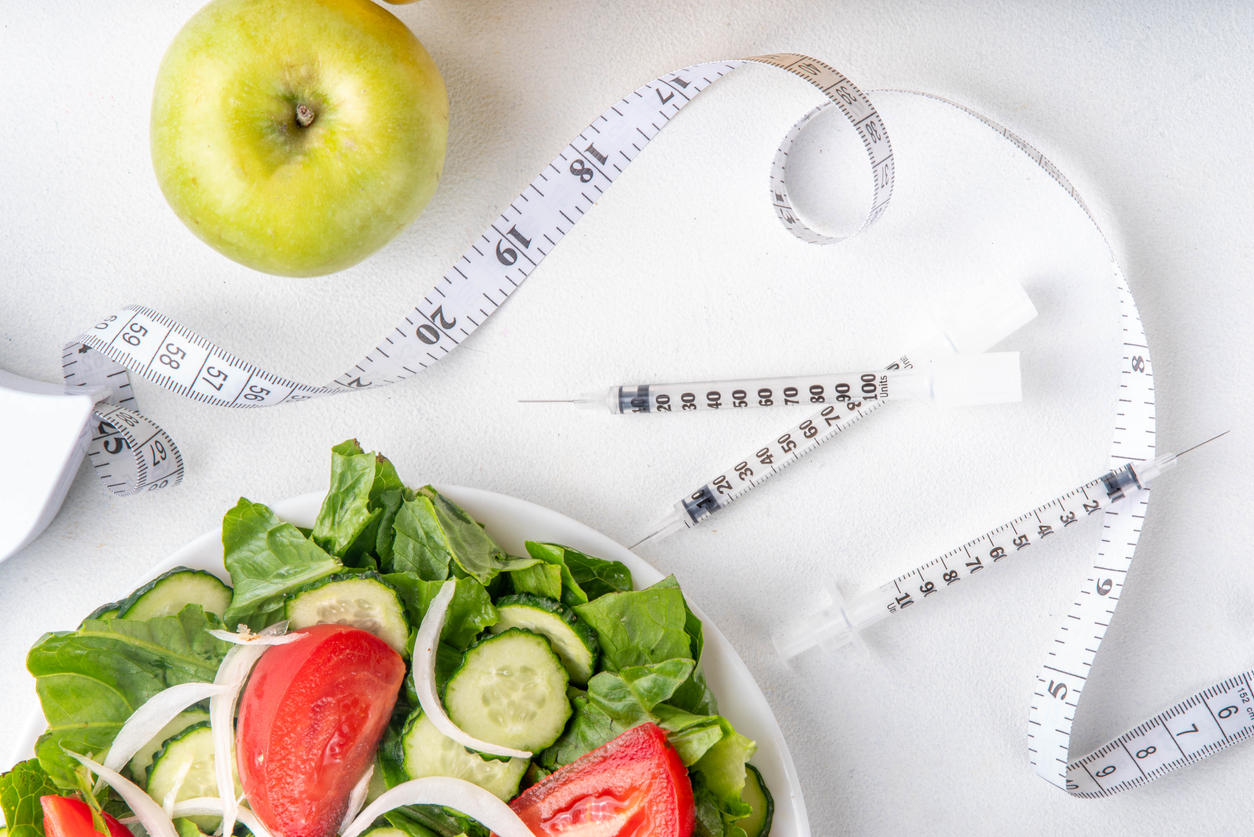
GLP-1 receptor agonists — medications like semaglutide (Ozempic, Wegovy) and tirzepatide (Mounjaro) — have transformed weight management. They work by mimicking a hormone that reduces appetite, slows gastric emptying, and affects the brain's reward pathways. For many people, they are genuinely life-changing.
But if you're taking a GLP-1 medication and still struggling with your relationship with food, you're not alone. And if you're wondering whether a recovery programme is right for you while you're on medication — the answer is yes.
What GLP-1 medications do
GLP-1 medications reduce appetite and cravings by acting on the same brain regions involved in reward and motivation (Blundell et al., 2017). Clinical trials have shown significant weight loss — an average of around 15% of body weight over 68 weeks (Wilding et al., 2021).
For many people, the reduction in "food noise" — that constant background chatter about what to eat next — is the most striking effect. Food simply becomes less consuming.
What they don't do
While GLP-1 medications are powerful tools, they don't address the underlying emotional, psychological, and behavioural patterns that drive problematic eating. They don't teach you how to manage stress without food. They don't resolve the shame or guilt that often accompanies addictive eating. And they don't help you understand your eating type.
For people with food addiction, the compulsive relationship with food has roots that go deeper than appetite. Medication can quieten the cravings, but the patterns — the triggers, the habits, the emotional connections to food — remain.
Why combining medication with a programme makes sense
This is exactly why our programmes are designed to work alongside GLP-1 medication, not instead of it. Whether you're on RAFT (for food addiction) or CANOE (for over eating), we'll work with you wherever you are on your journey.
The medication can give you breathing space — a window where cravings are reduced and you can think more clearly about your relationship with food. A recovery programme uses that window to build lasting change: understanding your triggers, developing healthier coping strategies, and creating a sustainable relationship with food that doesn't depend on medication alone.
What if I stop the medication?
One of the concerns with GLP-1 medications is weight regain after stopping. Research suggests that without behavioural and psychological support, many people regain weight once they come off the medication. This is where the real value of a programme lies — it builds the foundation that supports you whether you're on medication or not.
You're welcome here
If you're taking GLP-1 medication and wondering whether you still need support with food, the answer is: your medication is doing one important job, and a programme can do another. They complement each other.
Take our quiz to understand your eating type, and get in touch to talk about how we can support you.
References
- Wilding, J.P.H., et al. (2021). Once-weekly semaglutide in adults with overweight or obesity. New England Journal of Medicine, 384(11), 989-1002.
- Blundell, J., et al. (2017). Effects of once-weekly semaglutide on appetite, energy intake, control of eating, food preference and body weight in subjects with obesity. Diabetes, Obesity and Metabolism, 19(9), 1242-1251.
- Gearhardt, A.N., & Schulte, E.M. (2021). Is food addictive? A review of the science. Annual Review of Nutrition, 41, 387-410.