2026-03-02
The Science Behind Cravings
Cravings are not a sign of weakness — they are driven by brain chemistry, blood sugar, and learned behaviour.
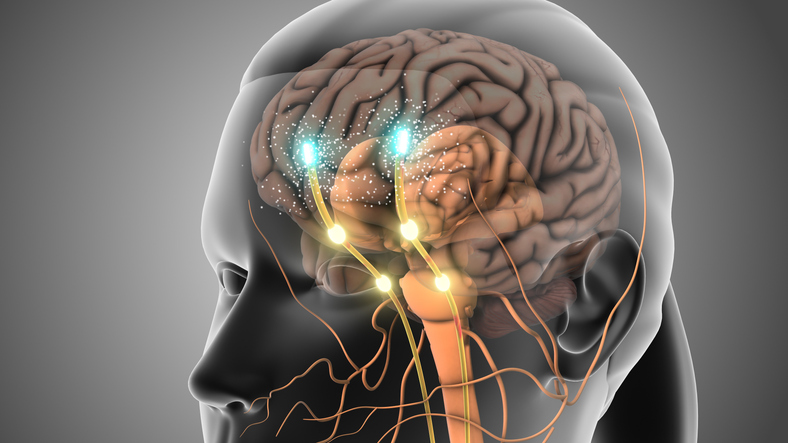
We have all experienced a craving — that powerful, almost irresistible urge for a specific food. But what is actually happening in the brain when a craving strikes?
Dopamine: the wanting chemical
Contrary to popular belief, dopamine is not primarily about pleasure. Neuroscientist Kent Berridge (2009) has shown that dopamine is more about "wanting" than "liking." It drives motivation and anticipation — the feeling that you must have something. This is why a craving can feel so urgent even when you are not hungry.
When you eat highly palatable food, dopamine spikes. Your brain records this as an important event and creates a memory linking that food with reward. The next time you encounter a cue — the smell of freshly baked bread, an advert for chocolate, or simply feeling stressed — your brain fires up the dopamine system and the craving begins.
Blood sugar and the crash cycle
Blood sugar plays a significant role in cravings. When you eat refined carbohydrates — white bread, sugary snacks, processed cereals — your blood sugar rises rapidly, triggering a large insulin response. This can cause blood sugar to crash below baseline, leaving you feeling tired, irritable, and craving more sugar to bring it back up.
This cycle of spike and crash can repeat throughout the day, driving constant snacking and grazing on the very foods that perpetuate the problem.
Stress and emotional eating
The stress hormone cortisol increases appetite and specifically drives cravings for high-calorie, high-fat foods. This is an evolutionary survival mechanism — in times of danger, the body wants quick energy. But in modern life, where stress is chronic rather than acute, this system works against us.
Emotional eating creates its own feedback loop. You feel stressed, you eat, the food provides temporary relief via dopamine, the stress returns, and the cycle continues.
Sugar and the brain
Research by Avena, Rada, and Hoebel (2008) demonstrated that sugar can produce effects in the brain that are remarkably similar to those of addictive drugs, including bingeing, withdrawal, craving, and cross-sensitisation. Rats given intermittent access to sugar showed neurochemical changes in the brain consistent with dependence.
Breaking the cycle
Understanding the science behind cravings is the first step toward managing them. When you know that a craving is driven by brain chemistry rather than personal failure, you can start to develop strategies that work with your biology rather than against it.
Stabilising blood sugar through regular, balanced meals; managing stress through non-food strategies; and reducing exposure to highly processed trigger foods can all help to quieten the craving response over time.
References
- Avena, N.M., Rada, P., & Hoebel, B.G. (2008). Evidence for sugar addiction: behavioral and neurochemical effects of intermittent, excessive sugar intake. Neuroscience & Biobehavioral Reviews, 32(1), 20-39.
- Pelchat, M.L. (2002). Of human bondage: food craving, obsession, compulsion, and addiction. Physiology & Behavior, 76(3), 347-352.
- Berridge, K.C. (2009). 'Liking' and 'wanting' food rewards: brain substrates and roles in eating disorders. Physiology & Behavior, 97(5), 537-550.